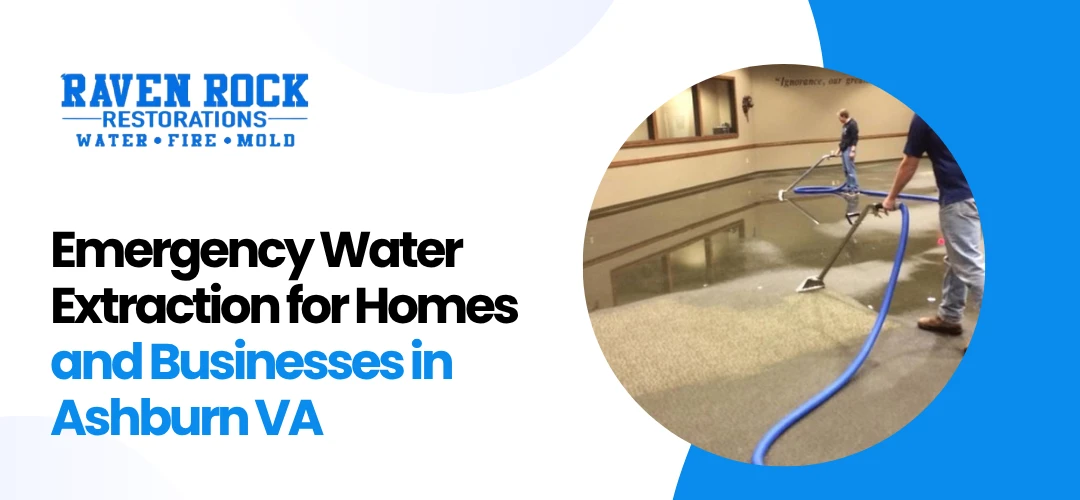
When this happens, emergency water removal Ashburn, VA can help stop the damage before it gets worse.
A flood can leave more than wet floors and damaged walls. Hidden moisture can stay behind drywall, under flooring, and inside insulation long after the visible water is gone. If it is not handled quickly, it may lead to odors, mold, wood damage, and costly repairs. This is where flood damage cleanup Vienna, VA can help homeowners deal with the problem before it grows. A careful inspection can find damp areas that are easy to miss. Proper drying can then help protect the structure and belongings. Knowing what happens during professional cleanup can also help you make better choices when your home has water damage.
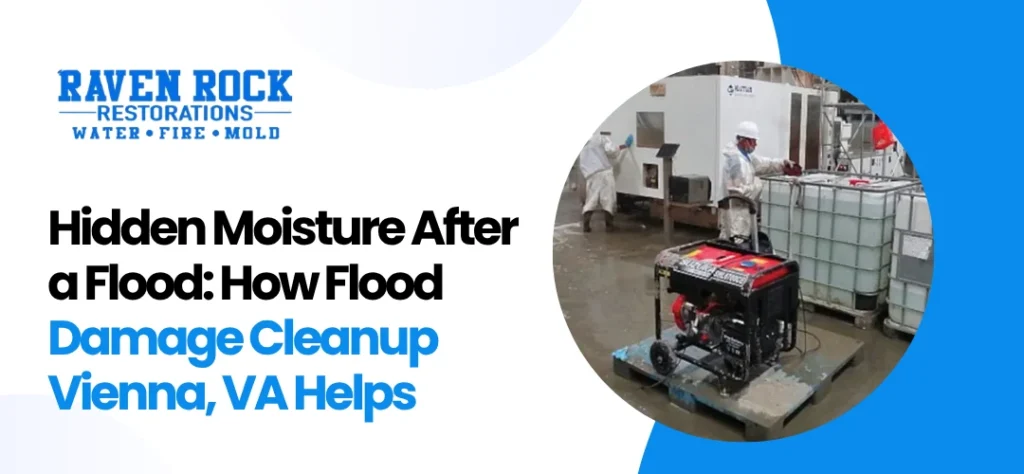
Water does not always remain where you can see it. It can move through small gaps in floors, walls, ceilings, and other building materials. Flood damage restoration Vienna, VA professionals look beyond the obvious wet spots to check areas where moisture may remain.
A wall may look dry on the outside while its insulation or framing is still damp inside. Flooring can also hold moisture underneath its surface. These hidden areas need attention because they may stay wet for days without being noticed.
Standing water is only one part of a flood problem. Moisture that remains inside a home can slowly damage materials and create an unhealthy indoor environment.
With flooded basement cleanup Vienna, VA, professionals may check floors, walls, storage areas, and other spaces where water can collect or spread. A basement can be especially difficult because moisture may remain in cracks, corners, and porous materials.
Common concerns include:
A proper cleanup process should begin with an inspection. Simply removing standing water does not mean the property is dry. Moisture may have traveled into places that cannot be checked by looking alone.
Flood damage restoration Vienna, VA can include moisture checks throughout affected rooms. Professionals may use moisture meters, thermal imaging, air movement, and other tools to locate areas that still need drying.
The goal is to understand how far the water traveled. This helps determine which materials can be dried and which may need removal.
Some parts of a home are more likely to trap water than others. Checking these areas can help prevent a small problem from becoming a larger repair issue. Look closely at:
In flood cleanup services Vienna, VA, drying should focus on both visible and hidden moisture. Airflow alone may not be enough if water has reached enclosed materials. Professionals can assess the affected areas and select suitable drying methods.
Time matters after water enters a home. The longer materials stay wet, the greater the chance of damage. Quick action can help reduce the amount of material that needs repair or replacement. Flood restoration services Vienna, VA may involve water removal, moisture monitoring, structural drying, cleaning, and other steps based on the condition of the property.
Homeowners should avoid assuming that a room is safe simply because the surface feels dry. Materials can dry at different speeds. One section of a wall may be dry while another remains damp. A professional assessment can help answer important questions, such as:
After a flood, safety should come first. Avoid entering areas with electrical hazards or unstable materials. If the water came from an unknown or contaminated source, avoid direct contact with it. Homeowners can also take a few simple steps while waiting for professional help:
For homeowners in Vienna, VA, early action can make it easier to control moisture before it spreads into more parts of the property.
Flood cleanup is not always as simple as drying a wet carpet. Water can affect materials that are hidden from view. Professional technicians have experience checking moisture levels and identifying areas that may require more attention.
Raven Rock Restoration Vienna, VA can help homeowners understand the condition of affected areas and the steps needed to address water damage.
A careful process also helps prevent guesswork. Instead of drying only the areas that look wet, professionals can assess the property as a whole and focus on locations where moisture is likely to remain.
Effective flood damage cleanup does more than remove visible water. It focuses on drying the materials that may have absorbed moisture during the flood. This can include floors, walls, insulation, cabinets, and other parts of the home.
During flood damage restoration Vienna, VA, technicians may place air movers and dehumidifiers in affected rooms. They may also monitor moisture levels to see whether materials are drying as expected. This step helps reduce the chance of leaving damp areas behind.
A professional cleanup process may involve several steps. Each step has a purpose and should be based on the amount and type of water damage found at the property. Typical steps may include:
Basements often need careful attention after water enters the home. Flooded basement cleanup Vienna, VA can involve checking floors, walls, storage spaces, and other areas where water may remain trapped.
Concrete may appear dry while moisture is still present in nearby materials. Boxes, furniture, drywall, and wood items can also hold water for longer than expected. A detailed inspection can help identify these areas before more damage occurs.
Flood damage restoration Vienna, VA can help address moisture that has moved beyond the original flooded area. This is important when water has traveled through walls or flooring and reached rooms that did not appear heavily affected.
Sometimes your home gives clear warning signs after a flood. Flood cleanup services Vienna, VA can help assess these concerns when you notice changes that do not go away after the visible water has been removed.Watch for signs such as:
These signs do not always show exactly where the moisture is located. With flood damage cleanup, moisture checks can help identify areas that may need further drying or repair.
Some materials can be dried and cleaned after water damage. Others may have absorbed too much water or become damaged beyond practical repair. Flood restoration services Vienna, VA can help determine what condition the affected materials are in.
Porous materials can be especially difficult to restore when they have remained wet for too long. Drywall, insulation, carpet padding, and some wood products may require closer assessment.
A professional evaluation can help separate materials that may be saved from those that should be removed. This can prevent homeowners from spending money on repairs that will not solve the underlying moisture problem.
Drying should not always stop when a surface feels dry. Flood damage restoration Vienna, VA may include repeated moisture checks to confirm that affected materials are reaching suitable dryness levels.
Moisture monitoring is useful because different materials dry at different rates. A thick wall section may need more time than a hard floor surface. Without proper checks, hidden dampness can remain after cleanup appears complete.
Flood damage cleanup should therefore focus on measurable progress rather than appearance alone. This approach can give homeowners greater confidence that affected areas have received proper attention.
Flood water can damage furniture, clothing, documents, electronics, and other belongings. Flood cleanup services Vienna, VA may include sorting affected contents and determining which items can be cleaned or dried.
If an item can be safely moved, keeping it away from damp areas may help prevent additional damage. However, homeowners should avoid handling contaminated materials without proper protection. Useful steps include:
Flood problems can become harder to manage when cleanup is delayed. Flood restoration services Vienna, VA can provide a structured response that addresses water removal, drying, cleaning, and damage assessment.
Professional help is especially useful when water has entered walls, flooring, insulation, or other difficult-to-reach areas. It can also be helpful when the source of the water is unclear or the affected area is large.
With flood damage cleanup, the goal is not simply to make the property look normal again. The process should address moisture and damage that may not be visible during a basic inspection.
Choosing a restoration provider is an important step after a flood. Flood damage restoration Vienna, VA homeowners can benefit from asking clear questions before work begins. Consider asking:
Clear answers can help you understand the work and set realistic expectations.
Visible water is only part of the damage a flood can cause. Flood damage cleanup Vienna, VA should also address moisture that may be hiding behind walls, beneath floors, or inside other materials. If your property has recently experienced flooding, do not wait for stains, odors, or other problems to appear. A professional inspection can help identify affected areas and guide the next steps.
Contact Raven Rock Restoration Vienna, VA to discuss your property and get help assessing the damage. Acting early can help you address moisture sooner and move toward a safer, cleaner, and properly dried home.
When this happens, emergency water removal Ashburn, VA can help stop the damage before it gets worse.
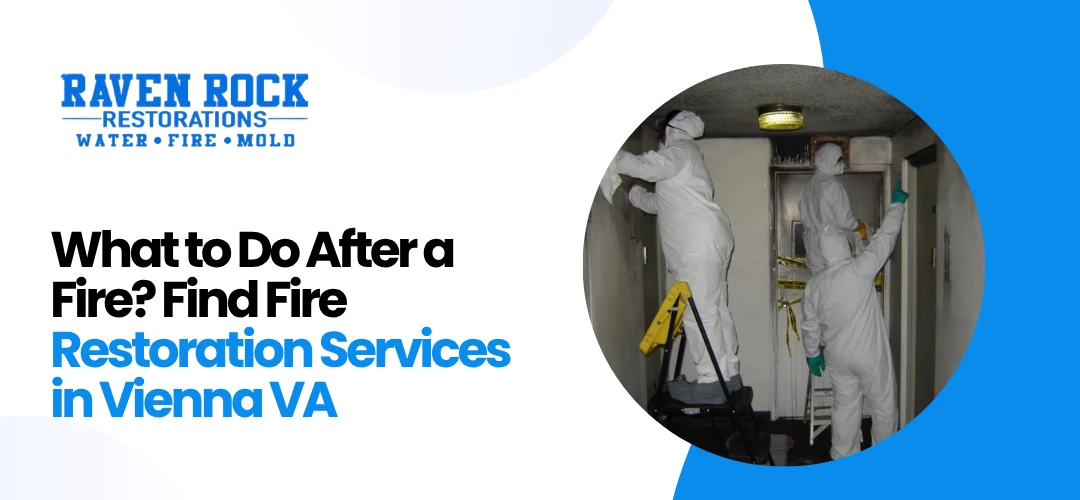
If you need reliable fire restoration services Vienna, VA, contact the restoration team today to discuss your situation and arrange...

Mold inspection services Vienna, VA can help identify where mold may be present and what may be causing the problem.
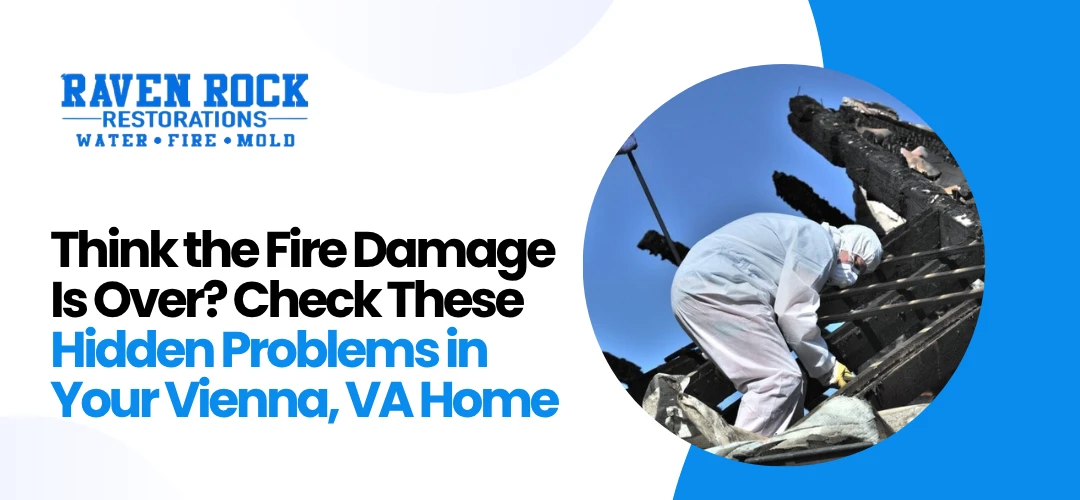
Fire damage restoration Vienna, VA can help identify affected areas, control further damage, and guide homeowners toward the right recovery...
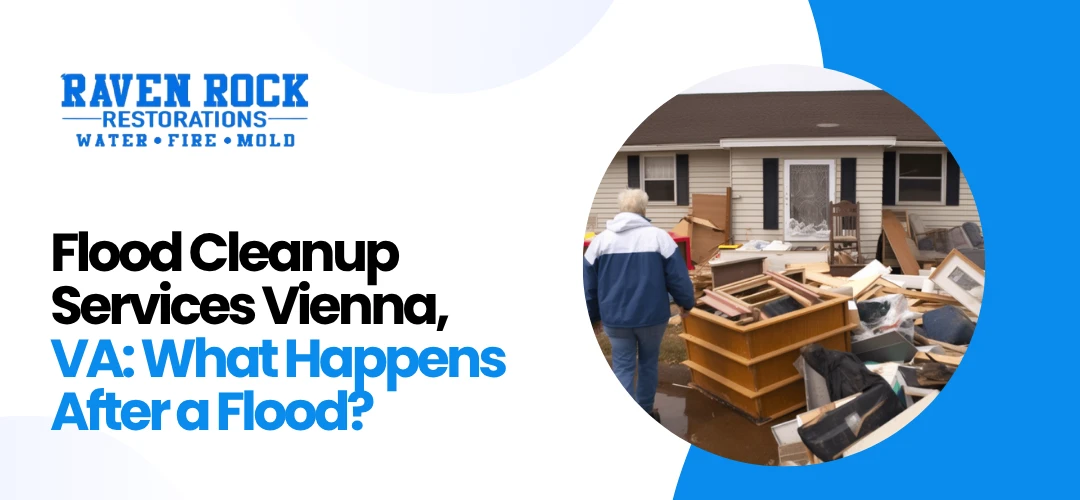
Flood cleanup services Vienna, VA can help you move from an emergency situation toward a cleaner, safer home.
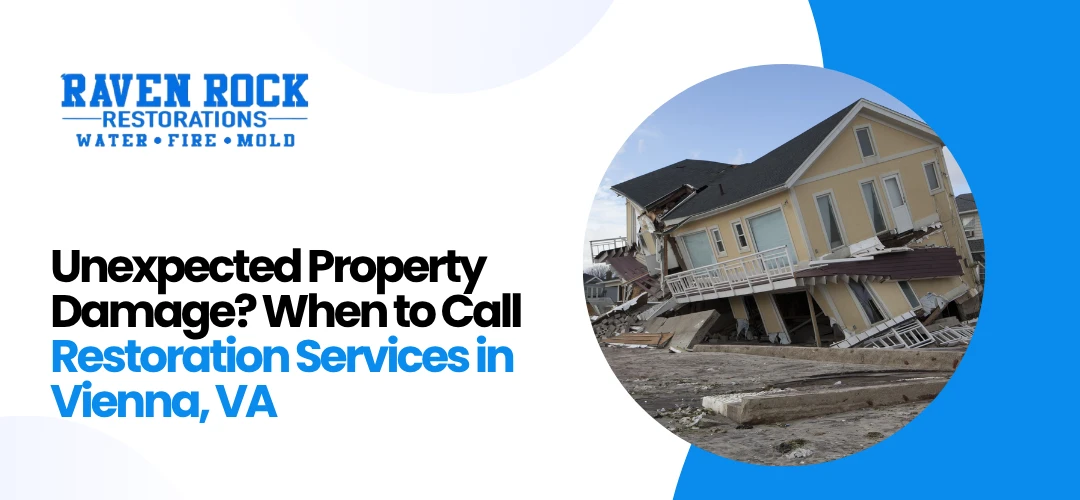
Choosing the right professional matters when your property needs restoration services Vienna, VA.
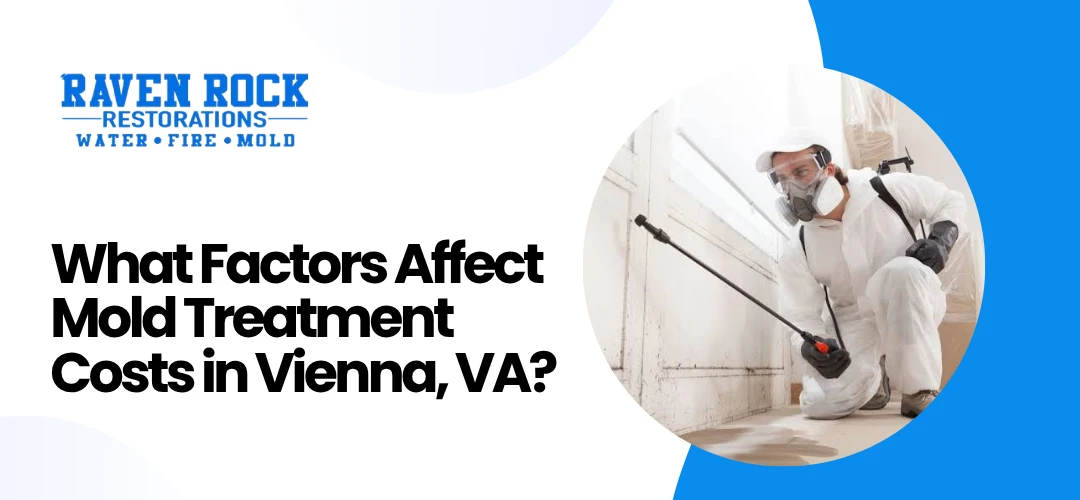
If you are searching for mold treatment near me Vienna, VA, you may notice that prices vary from one property...
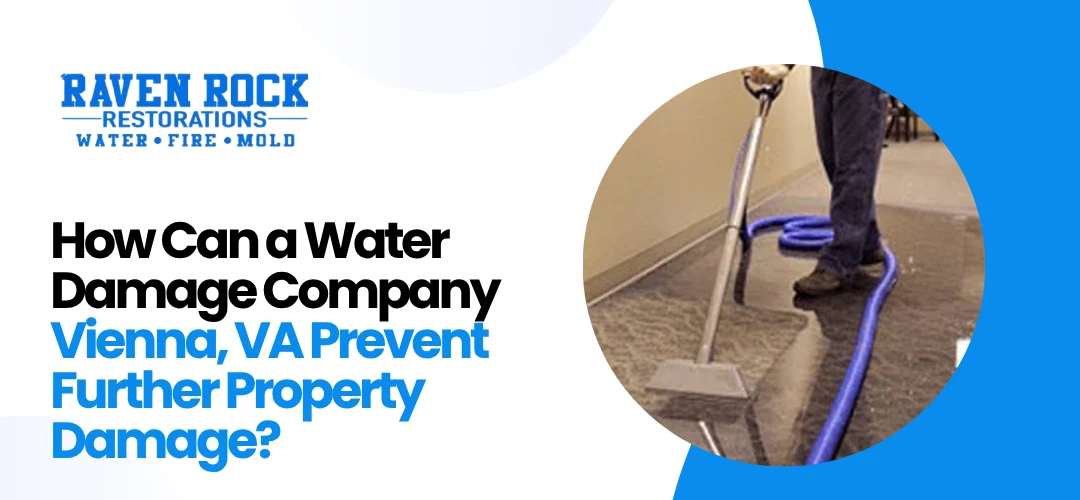
If you are dealing with a serious leak or flooding problem, contact a water damage company Vienna, VA promptly for...
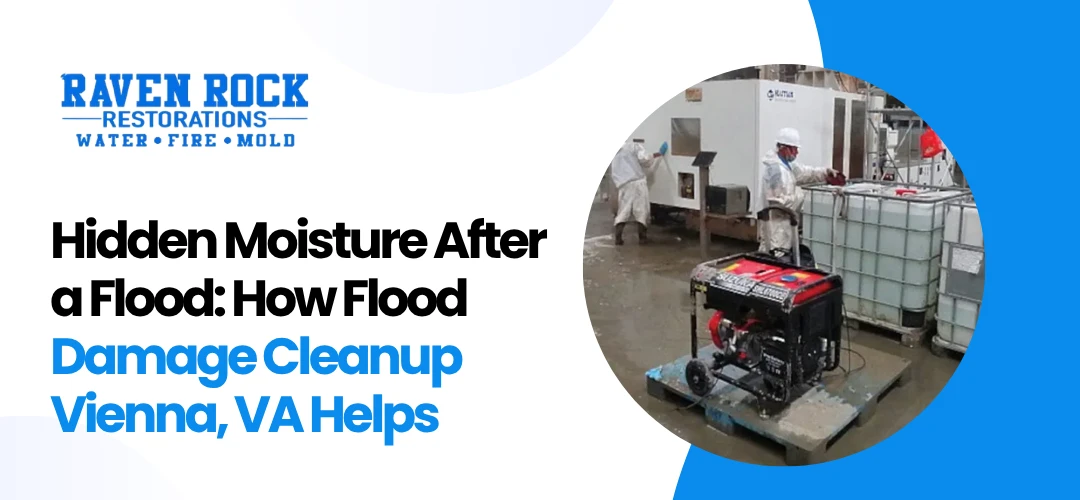
Flood damage cleanup should also address moisture that may be hiding behind walls, beneath floors, or inside other materials.

We provide expert solutions with a focus on efficiency, reliability, and exceptional service, ensuring your property is restored to its best condition.